
Clinical & Applied

Killing ticks with targeted viruses
One of the best ways to reduce the number of Lyme disease cases is using insecticides to kill ticks. Spraying loads and loads of insecticides around the countryside isn’t ideal though. What if there was a way to kill ticks without using a chemical spray? Quentin, one of the scientists and the Tufts Lyme Disease Initiative, tells us about a bright idea to use a virus that will selectively kill ticks.
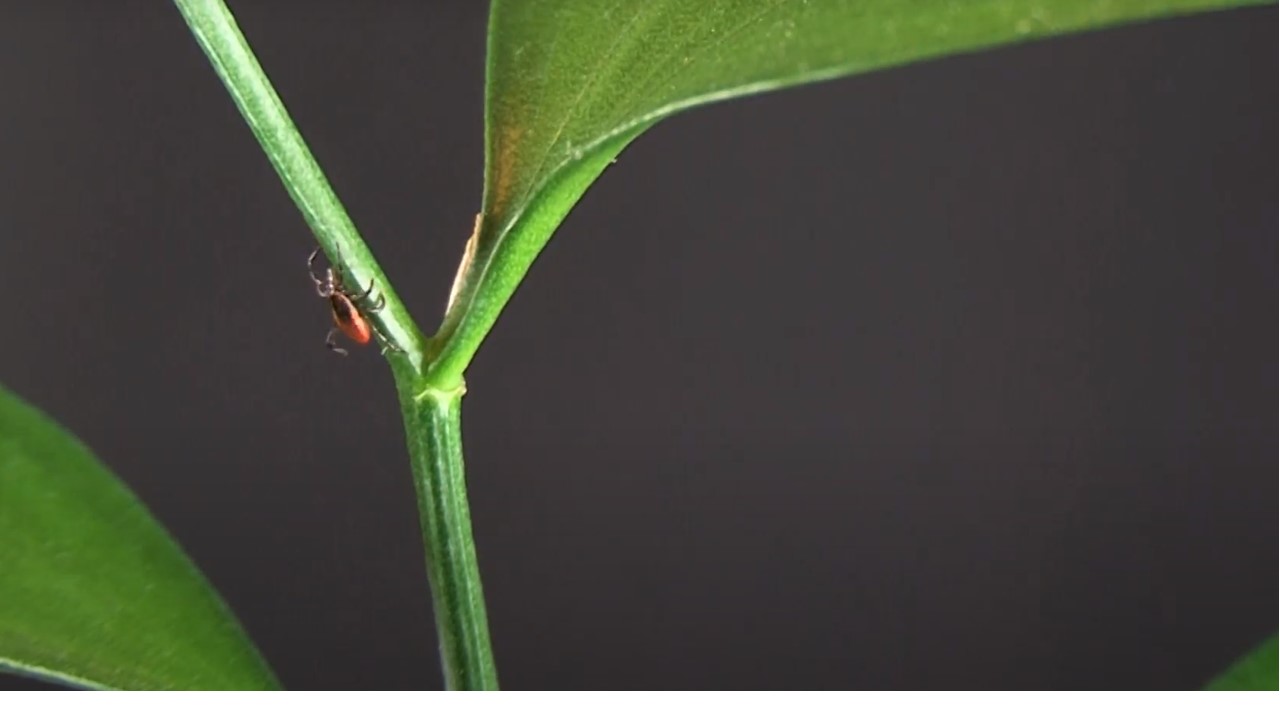
The Hunt for Powassan Virus
Powassan virus is a deadly virus carried by Ixodes ticks. It has been identified in ticks in the Northeast. Currently, human Powassan virus infections in the United States are rare, but there is no treatment for the disease.
Watch as the team from Maine Medical Research Institute tracks the virus in the wild.

A Walk through Lyme: Past Present and Future
Dr. Linden Hu presents his take on the history of Lyme disease at Tufts– past, present and future in his inauguration as the first Chervinsky Professor of Immunology
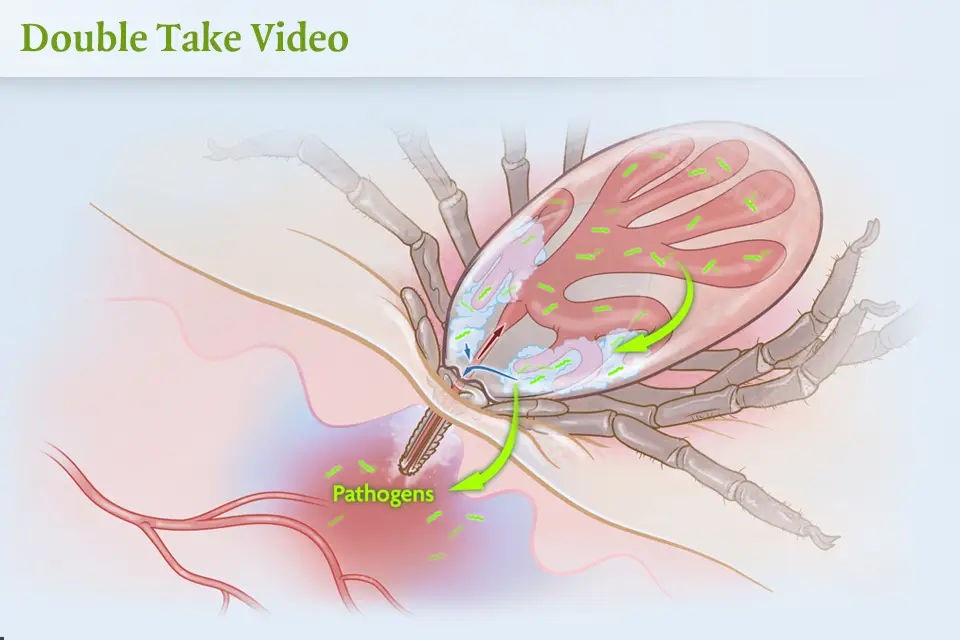
Tickborne Diseases– New England Journal of Med.
In this Double Take video from the New England Journal of Medicine, Sam Telford and Robert Smith provide a clinical overview of the various tickborne diseases commonly encountered across the United States, including Lyme disease, babesiosis, and anaplasmosis, among others. Starting with characteristics of ticks and their ability to act as disease vectors, the video reviews the clinical presentation of these infections, clues on physical examination, and laboratory tests to consider when encountering a patient with a potential tickborne infection.
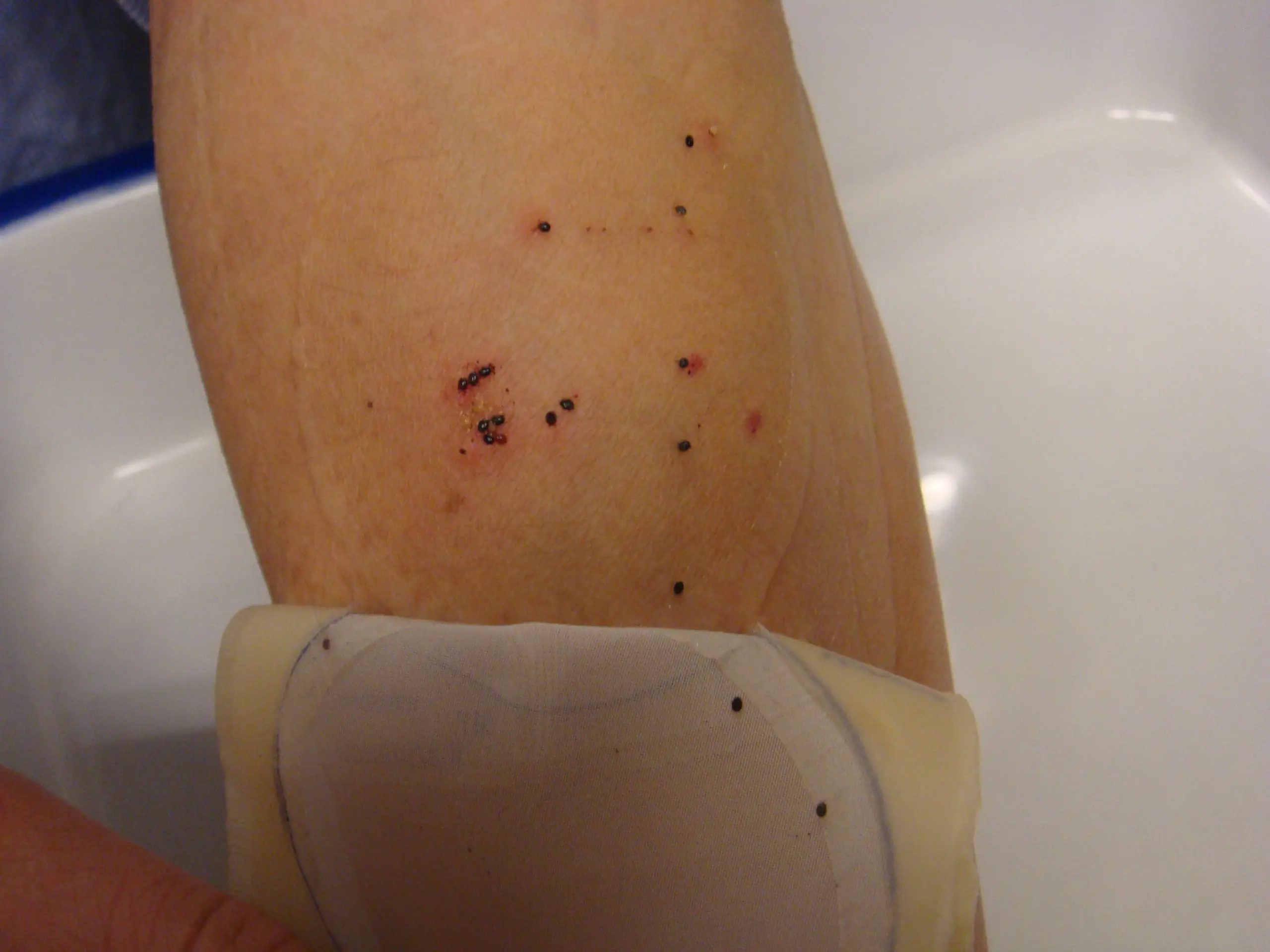
Feeding Ticks on People: Ticks as a diagnostic tool
The persistence of bacteria or its components after antibiotic therapy is controversial. One method for detecting the presence of the organism is to use its natural vector, the Ixodes tick, to draw the bacteria out of tissues and into the tick. The tick can then be tested for the presence of the bacteria. This is called Xenodiagnosis.
Watch our study coordinators, Julie McCarthy and Cecily Freliech, describe xenodiagnosis and our study in patients with Lyme disease.
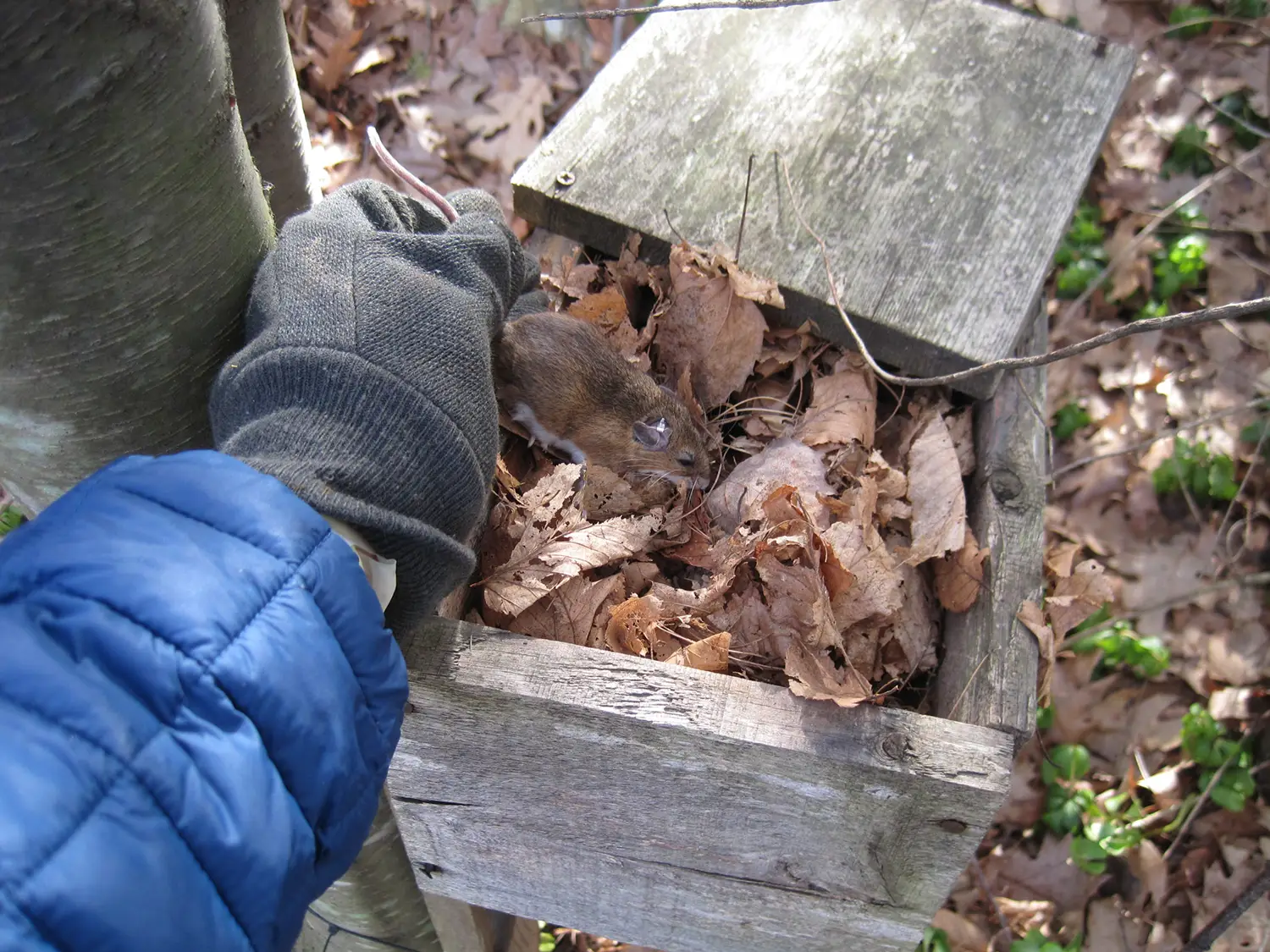
Eradicating Lyme with Novel Antibiotics
One of the most effective ways to get rid of the Lyme bacterium in its wild hosts is to treat them with doxycycline. However, widespread use of doxycycline in animals runs the risk of causing the development of resistance—not just in the Lyme bacterium, but in other bacteria as well. Working together with Dr. Kim Lewis (Northeastern), we are developing narrow spectrum antibiotics to target the bacterium in the mouse reservoir.
Watch Dr. Linden Hu discuss how the laboratory is working to rid the wild of Lyme disease using novel antibiotics.