
Laboratory
CIMAR Lecture: Developing narrow spectrum antibiotics for Lyme
October 17, 2025
Dr. Peter Gwynne talks about his use of metabolic mapping to identify unique vulnerabilities of Lyme disease and how he intends to repurpose common drugs into narrow spectrum antbioitics
Hitchin’ a Ride: Exploiting the Tick-Bacteria Interface
October 17, 2025
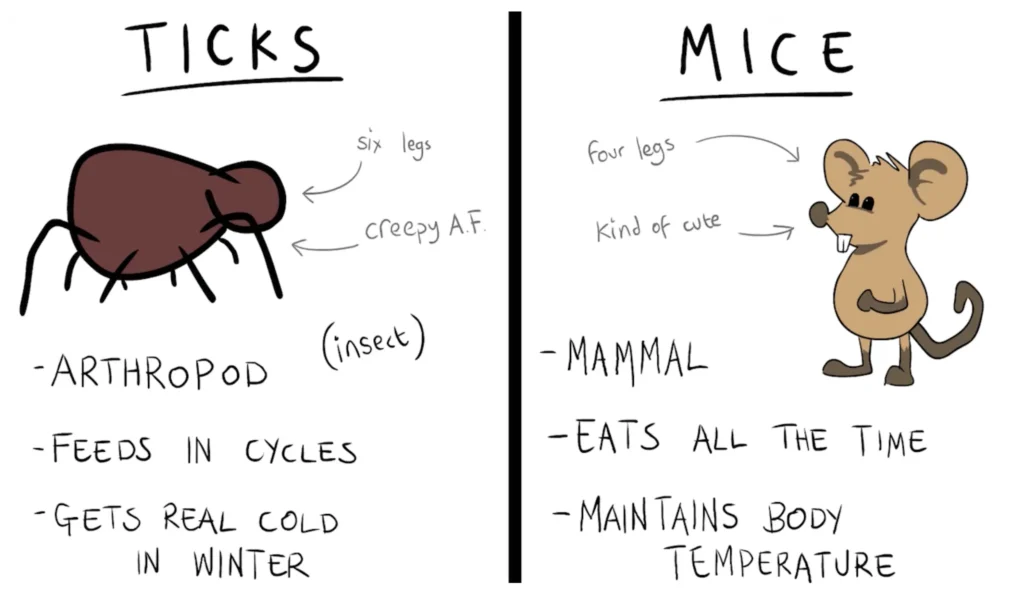
James Phelan is a scientist at the Tufts Lyme Disease Initiative working to find ways of reducing the numbers of Lyme-carrying mice and ticks. To do so, he is using next generation sequencing techniques to rapidly identify genes critical for survival of the Lyme disease bacterium in its different host. These genes can then be targeted to use for eradication of the organism.
How Lyme Hides: Subverting the immune system for survival
October 17, 2025
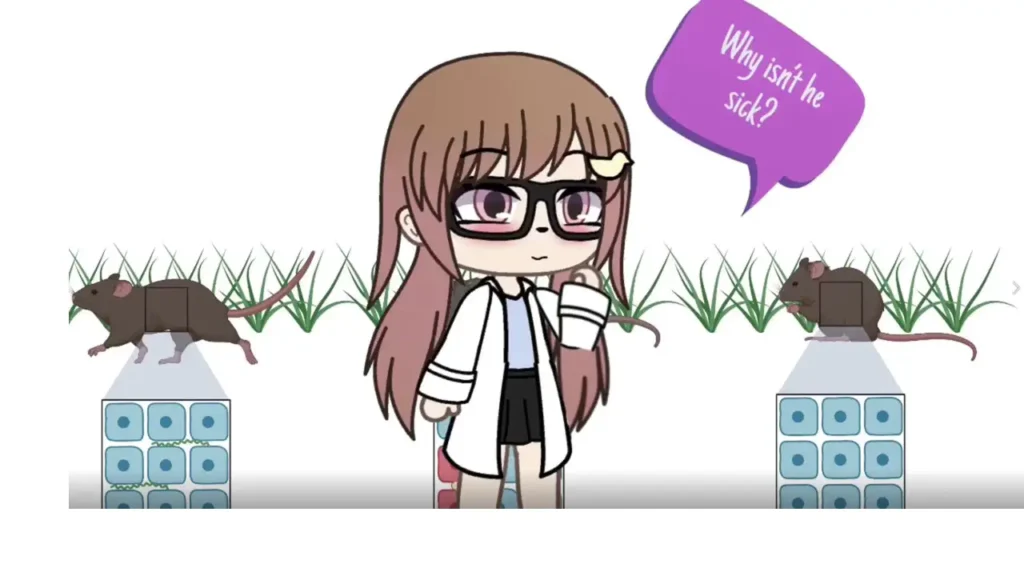
People catch Lyme disease from ticks, who in turn get the bacteria from wild mice. But why don’t mice get the same disease? We think it’s something to do with differences in the immune systems of mice and people. Tanja and Urmila are immunologists studying these differences at the Tufts Lyme Disease Initiative. They tell us about what they’re doing in the lab to try to understand how our own immune system contributes to Lyme disease.

Feed Me: Hijacking the Lyme bacteria’s nutritional requirements
October 17, 2025
Borrelia burgdorferi has a very small genome. It is about ¼ the size of the genome for Escherichia coli (a common bacteria) or the tuberculosis bacteria or less than 1/1000 the size of the human genome. As a result, B. burgdorferi is unable to perform many essential processes for itself and is dependent upon the host for supplying critical substances it is unable to make for itself. We are trying to map the functions that B. burgdorferi can and cannot perform for itself in hopes of identifying unique vulnerabilities of the organism that could be targeted for treatments.