
Tufts Lyme In the News
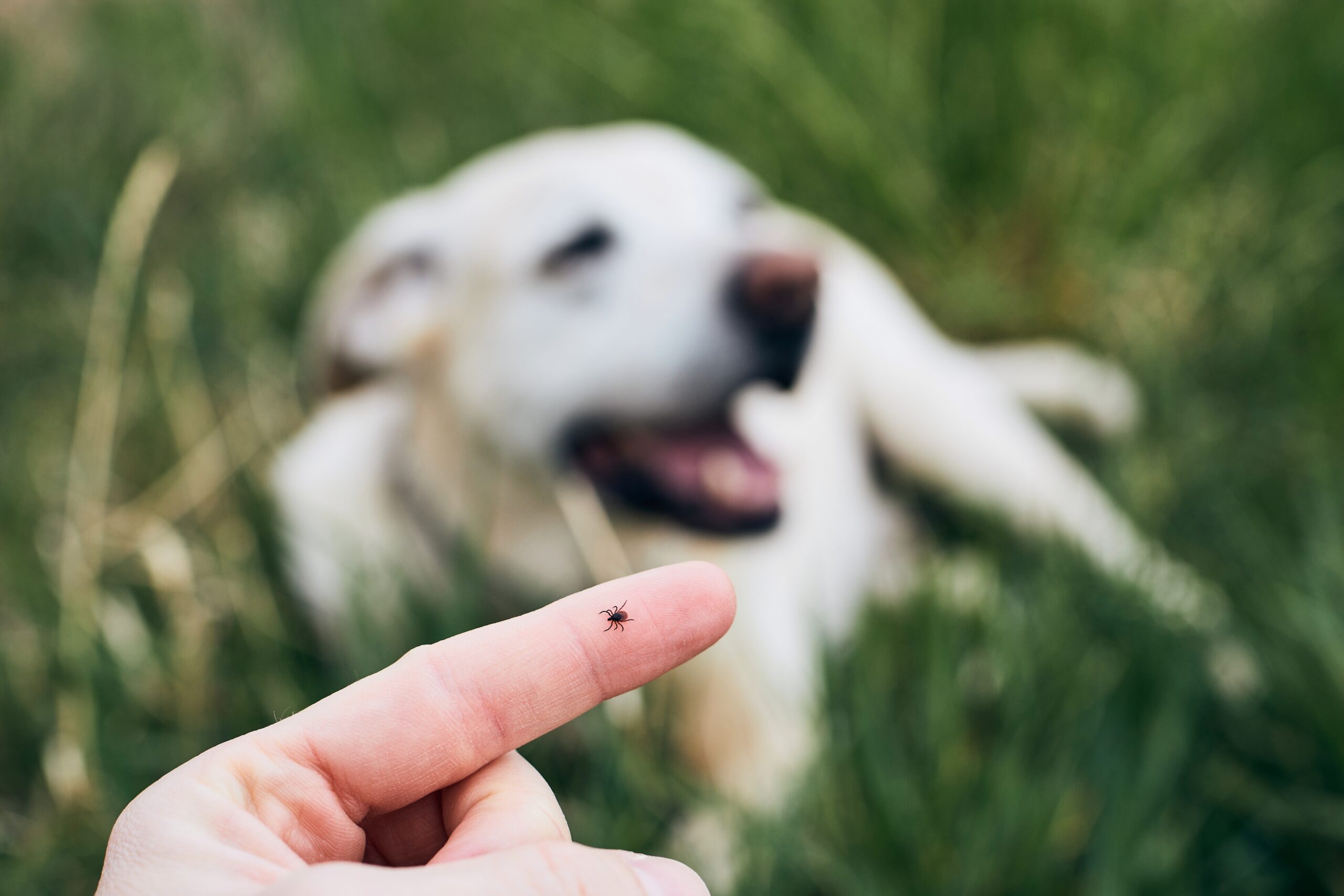
My dog has better tick protection than I do. But that could change soon.
BBC: By Brianna Abbott. Tick populations are expanding their range throughout Europe and the US, thanks to expanding forest and deer populations and climate change creating milder winters. And while tick season usually stretches from spring to autumn in many places, climate change is now increasingly leading to longer, sometimes year-round tick activity.

The explosion of ticks and alpha-gal syndrome
CBS Sunday Morning: Did you know that Alpha-gal, which is short for galactose-α-1,3-galactose, is not new to the country? It's just all over the news these days, but it was actually discovered in the mid-to-late 2000s. In the south, and parts of the midwest, it's been a thing for a while, but the awareness around it is all new. Sam Telford, of the Lyme Disease Initiative, was featured in this article and video on CBS Sunday Morning.
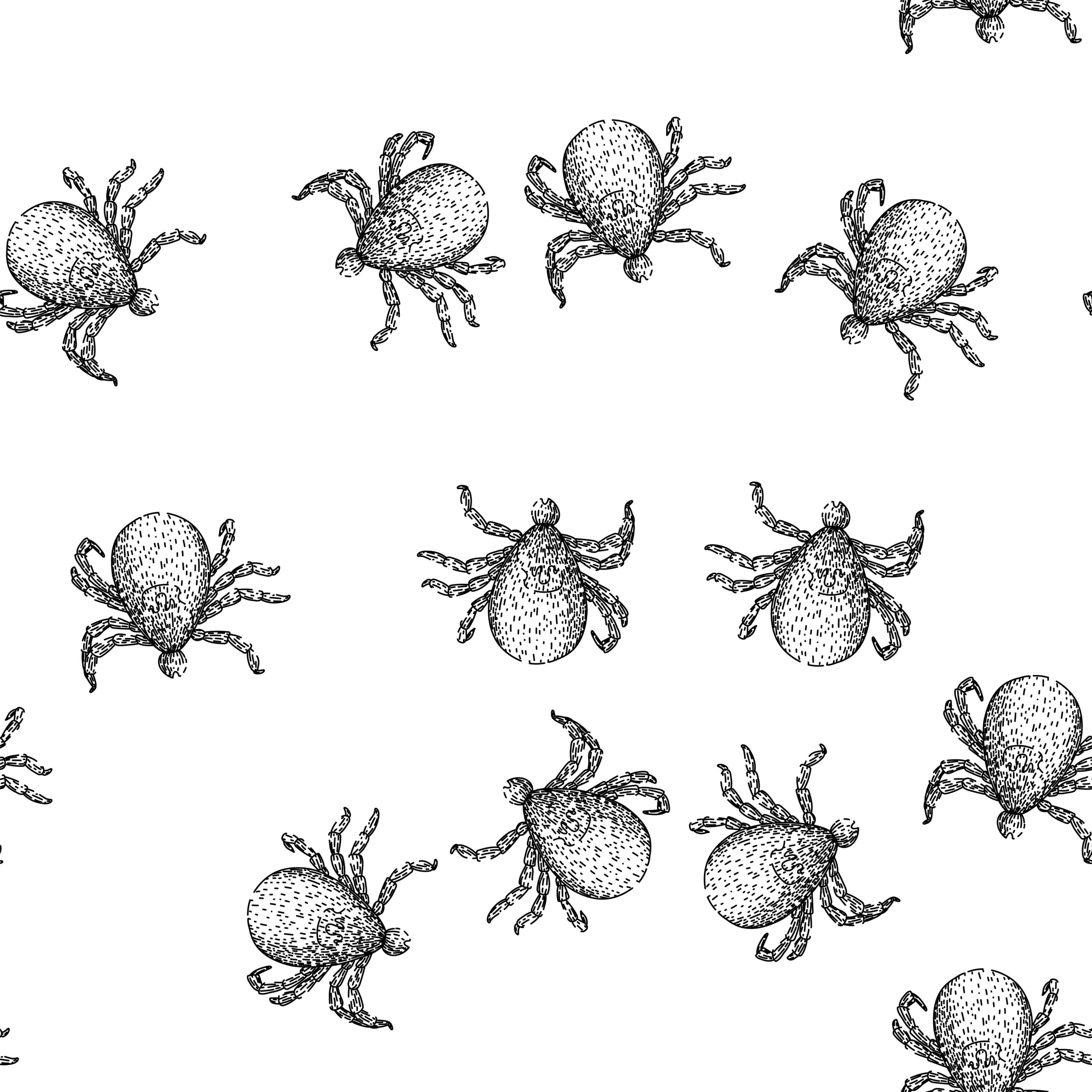
The Summer the Ticks Took Over
The New York Times Magazine: Can we do anything about tick-borne diseases like Alpha Gal? By Benjamin Wallace. "Ticks have become thieves of our ease and joy, tainting our cherished hiking spots and vacation destinations, replacing a carefree relationship with nature with the menace of a sneaky, spreading, ever-shifting foe."

Lyme Disease Discovery Could Lead to Earlier Diagnosis and Treatment
Newsweek: Scientists (led by TLDI's very own Pete Gwynne!) have identified a group of immune molecules that could help doctors catch Lyme disease earlier and identify patients whose symptoms linger long after treatment ends. The findings, led by Tufts University School of Medicine, could pave the way for better tests that catch Lyme disease in its earliest stages, when antibiotics work best, and help doctors identify patients still struggling with symptoms after treatment.

Scientists Study Martha’s Vineyard to Get to Root of Chronic Lyme
Vineyard Gazette: Researchers are turning to Martha’s Vineyard and other New England areas that have been hit hard with Lyme disease in order to better understand why some people experience symptoms of the tick-borne illness long after treatment. The study, called PROSSECO for short, is lead by TLDI scientists and hopes to follow more than 1,000 patients to learn why some can recover quickly from Lyme while others can suffer aches, brain fog, rashes and chronic tiredness for months or years.

Bitten by a tick? Don’t panic – or race to the ER, epidemiologist says
Worcester Telegram & Gazette: Sam Telford, an epidemiologist at the Cummings School of Veterinary Medicine and a TLDI investigator, was interviewed by Henry Schwan for the Worcester Telegram about the hype around this year's tick season. While every year is a bad year for ticks, the hype this year seems overblown- in fact, we are seeing a smaller population of deer ticks in most measures, probably due to several relatively dry summers in a row.