
Tufts Lyme In the News

Genetically engineered mice could take the bite out of Lyme disease on Nantucket, scientists say
CBS 60 Minutes: MIT professor Kevin Estvelt and Tufts Lyme researcher Sam Telford discuss a new approach to eradicating Lyme disease by making one of its reservoir hosts, the white footed mouse, resistant to infection with the Lyme bacteria. In 2013, Esvelt was the first to identify that CRISPR, a technology that allows scientists to modify DNA, could be used to change a species’ genetics in perpetuity. His discovery led to Mice Against Ticks, a project run out of Esvelt’s Sculpting Evolution lab at MIT. For the last nine years, he and researcher Joanna Buchthal have looked into whether they could add a gene for an antibody that prevents Lyme disease to a mouse embryo that has progressed into two cells. The lab’s technique involves injecting both cells to maximize the likelihood of getting the antibody into the DNA. Dr. Telford is helping the team plan testing on Nantucket Island.

New Lyme diagnostic could pinpoint disease earlier
Boston Globe: With the tick-borne illness making its annual resurgence in the region, researchers from Tufts University School of Medicine say they have discovered a new way to identify the disease, looking at an antibody generated in response to the infection, that can help people receive more effective treatment.
There are real problem areas in the current tests that impact a lot of people,” said Peter Gwynne, lead author of the study and a molecular biology and microbiology researcher at Tufts University School of Medicine.

How to Stem the Rise of Tick Borne Diseases
Dr. Robert Smith, co-director of the Tufts Lyme Disease Initiative, gives Grand Rounds and discusses the forces behind the rise in tick borne diseases and how we might stop them. Use the password d7xY$0$P to watch the video.
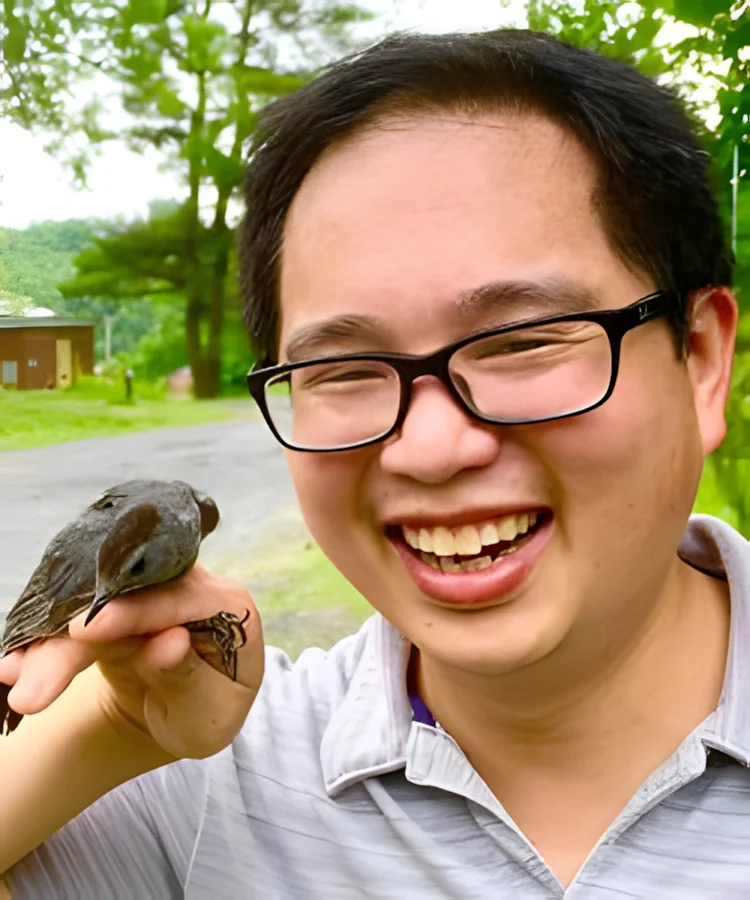
Dr. Yi-Pin Lin Awarded NIH Grant to Study Birds Carrying Lyme Disease
Dr. Lin and his colleagues have been awarded a five-year, $4 million National Institute of Health (NIH) Research Grant (R01) to study how wild birds serve as hosts of the Lyme disease bacteria and birds’ immune responses to the pathogen. The research aims to develop more efficient prevention techniques to minimize the spread of Lyme disease from animals to humans.
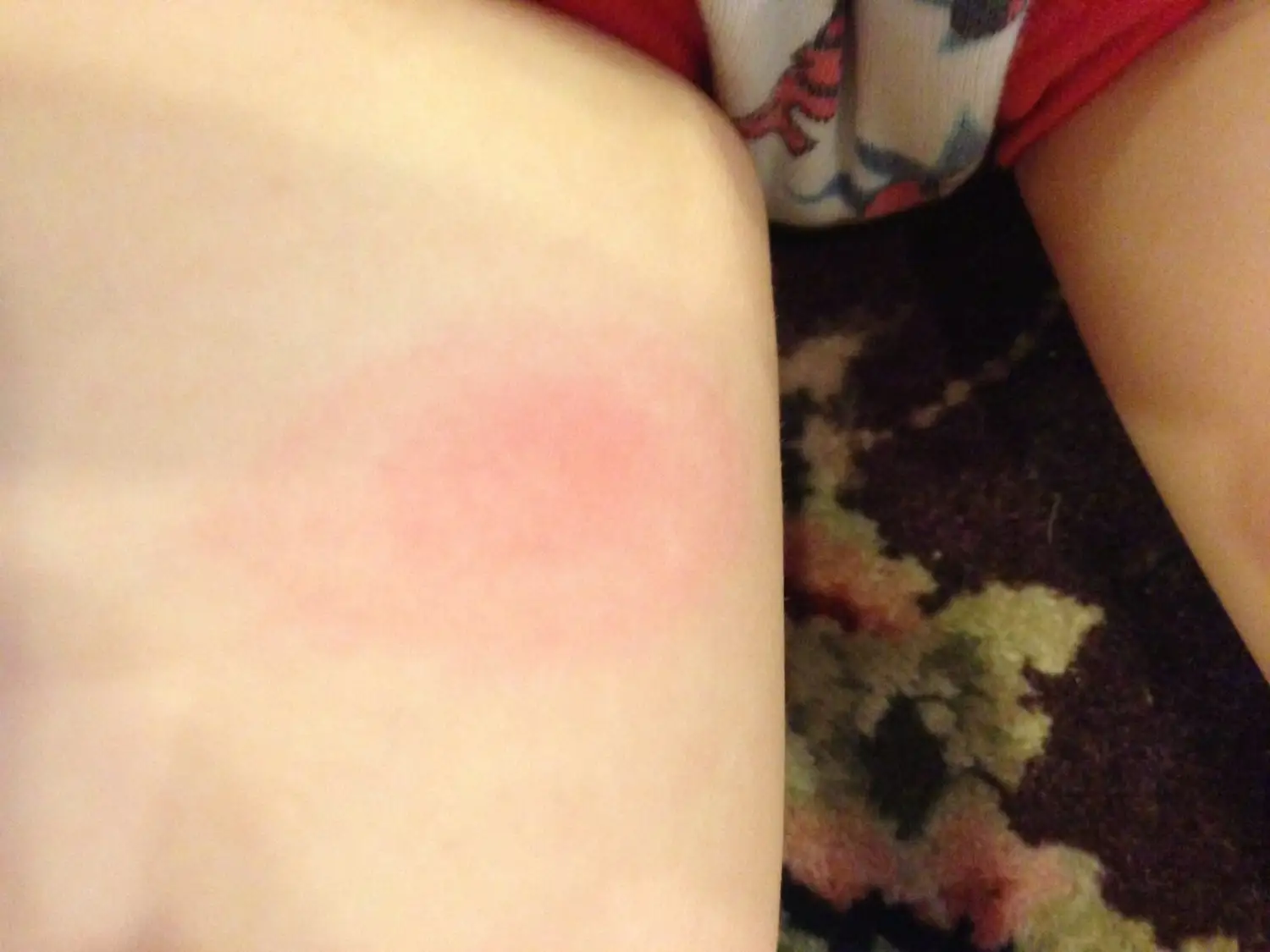
Human Testing Begins On Springtime Lyme Disease Shot Developed In Mass.
If all goes well, a springtime shot to prevent Lyme disease could enter testing soon. Tufts Lyme Disease Initiative researchers work with Massbiologics to help develop a new method for preventing Lyme disease

Stopping the biggest forest killer: deer
Deer are killing forests on a massive scale leaving zombie forests that are stripped of natural plants and flowers. Tufts Professor Dr. Allen Rutberg discusses the use of contraception to help control deer populations.