
Tufts Lyme In the News

Peter Gwynn talks about new drug development for Lyme disease
Dr. Peter Gwynne discusses his work on mapping Borrelia burgdorferi metabolism to identify unique vulnerabilities of the bacteria at a seminar for the Tufts Center for Integrative Managment of Antibiotic Resistance (Tufts CIMAR). By identifying pathways that B. burgdorferi but not humans or other bacteria are reliant on, he hopes to develop narrow spectrum antibiotics that can kill the Lyme bacteria without disturbing the microbiome or leading to resistance in other bacteria.
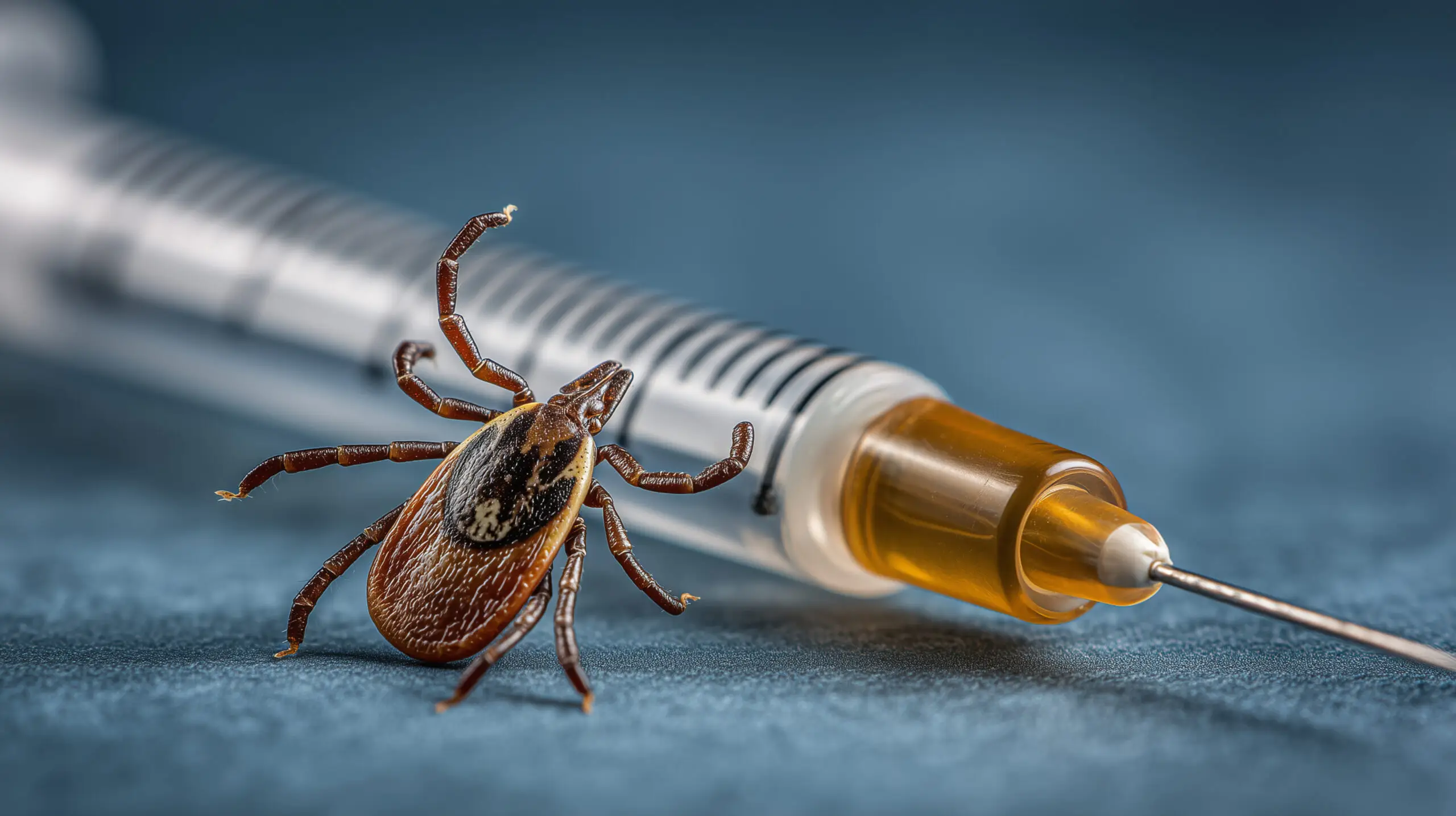
Why don’t we have a vaccine for Lyme disease?
NPR Science Friday: It’s shaping up to be one of the worst tick years yet, and concerns about Lyme disease—which is transmitted through the bites of some species—are high. Aside from a short-lived vaccine released in the late 1990s, people have not had the opportunity to get vaccinated against Lyme disease. But if our dogs can get vaccinated, why can’t we? Host Flora Lichtman speaks with immunologist and Lyme disease expert Linden Hu about the ongoing quest for a vaccine against Lyme disease, and our evolving understanding of the disease.

Chronic Lyme Research Gets a Big Boost
The Boston Globe reviews the recent focus from NIH on Chronic Lyme disease and the infusion of funding to help solve this difficult disease.

Trever Smith is the 2024 Bay Area Lyme Foundation Emerging Leader Awardee
Dr. Trever Smith has been awarded the 2024 Emerging Leader Award from the Bay Area Lyme Foundation. Trever’s work focuses on studying the effects of drug combinations against Lyme disease in order to identify combinations that are more effective than standard mono-therapy. He is taking a two pronged approach utilizing high throughput direct measurements of synergy and integrating it with multi-omic technologies to understand the mechanisms of action.
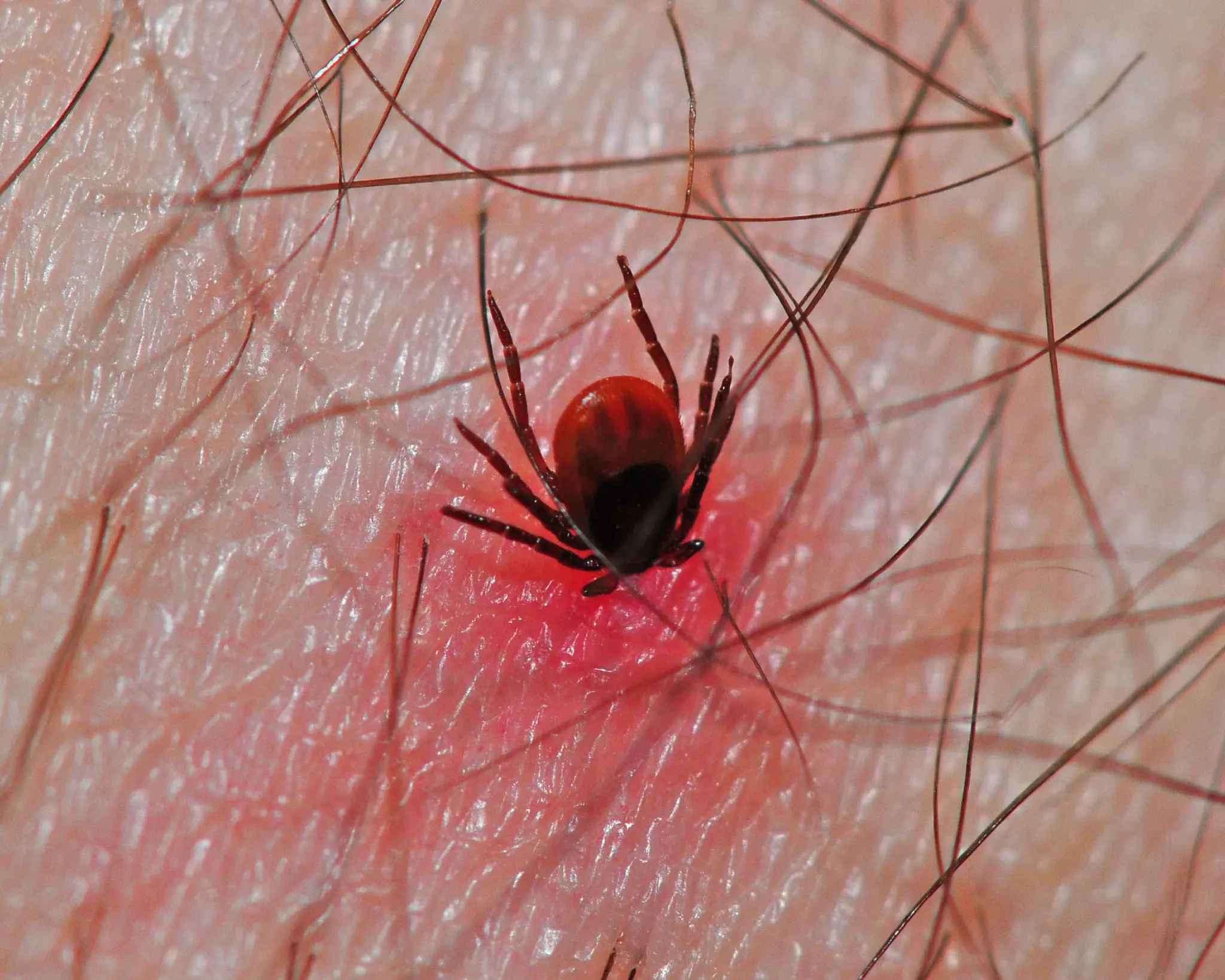
A Pill That Kills Ticks Is a Promising New Weapon Against Lyme Disease
Wired Magazine: If you have a dog or cat, chances are you’ve given your pet a flavored chewable tablet for tick prevention at some point. What if you could take a similar pill to protect yourself from getting Lyme disease? Tarsus Pharmaceuticals is developing such a pill for humans—minus the tasty flavoring—that could provide protection against the tick-borne disease for several weeks at a time. In February, the Irvine, California–based biotech company announced results from a small, early-stage trial showing that 24 hours after taking the drug, it can kill ticks on people, with the effects lasting for up to 30 days. Researchers at Tufts Lyme Initiative helped with the development of this new agent.
As Lyme disease expands its reach, new research offers hope
JAMA News: Public health warnings about vector-borne diseases in the US are heating up. In a May editorial, scientists from the Centers for Disease Control and Prevention (CDC) made a plea for a vaccine against West Nile virus, which is spread by mosquitoes and has no treatment. By midsummer, the CDC reported that as many as 450 000 people in the US may have a meat allergy from the bite of the lone star tick, while other CDC scientists warned that mosquitoes are becoming resistant to the insecticides used in abatement efforts. Mosquitoes struck in August, when public health officials reported 11 cases of locally acquired dengue fever in Florida and Maryland’s first known case of locally acquired malaria in more than 40 years. Meanwhile, the most common vector-borne disease in the US, Lyme disease, is on the rise. In this article, progress on understanding the mechanisms of chronic Lyme disease and prevention of Lyme disease are discussed. Highlighted are approaches by the Tufts Lyme Initiative.