
Tufts Lyme In the News

Can a Tufts Professor Finally Stop Lyme Disease
The ticks are back and cases of Lyme disease are rising throughout New England. Inside the race to eliminate one of nature’s biggest threats (plus what you need to know to keep safe this summer). Tick-tock. Dr. Sam Telford talks with Boston Magazine about roadkill, bowties and plans to eradicate Lyme disease using new technologies
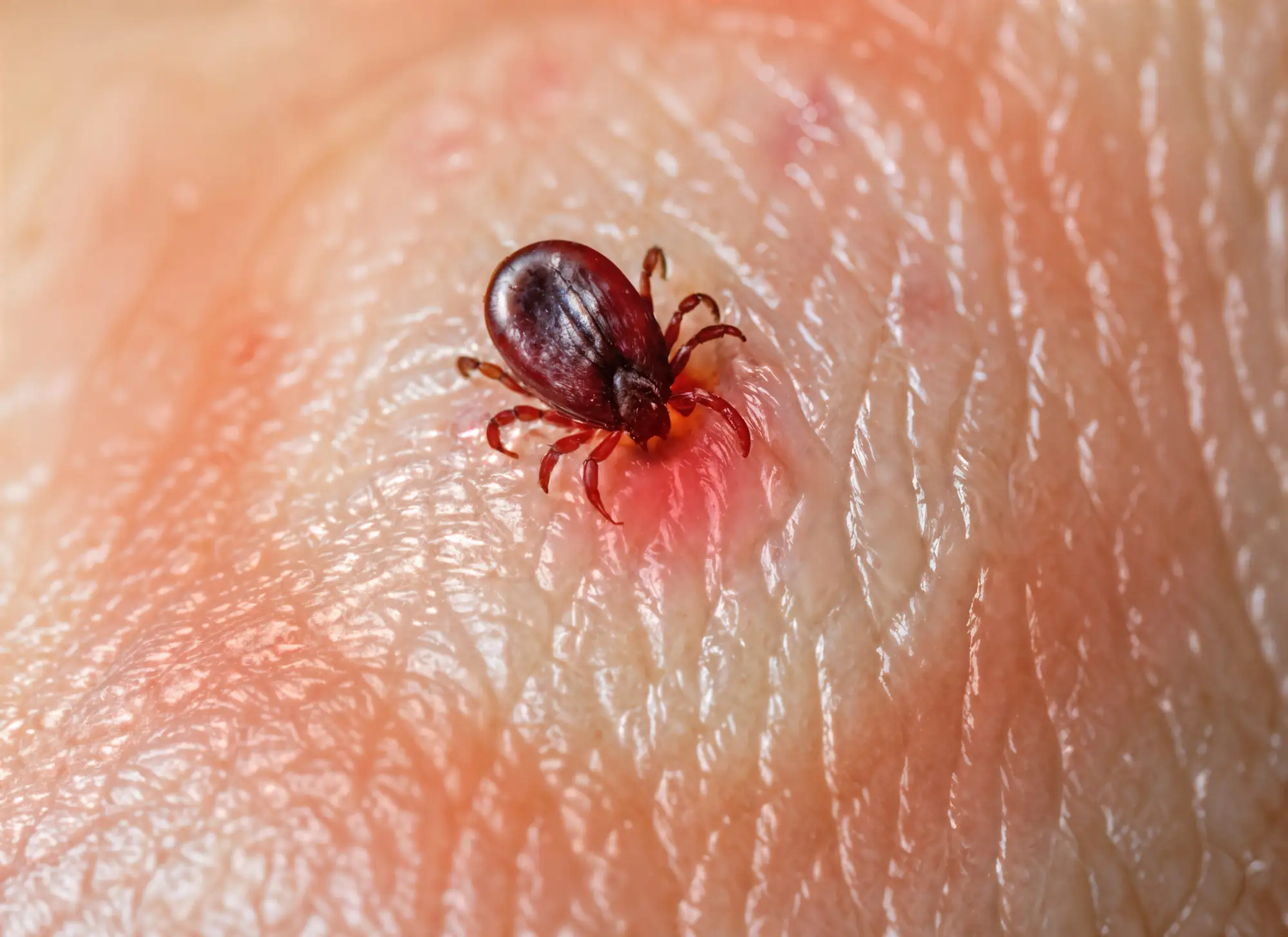
Dogs can get a Lyme disease vaccine. Why can’t humans?
It’s the season for tick bites. Each year, at least 300,000 people contract Lyme disease and about 10 to 15 percent report stubborn, long-lasting symptoms like achy joints, fatigue and memory lapses despite treatment. What are the mysteries of Lyme, and why is there no effective vaccine on the market for humans? Science correspondent Miles O’Brien reports.
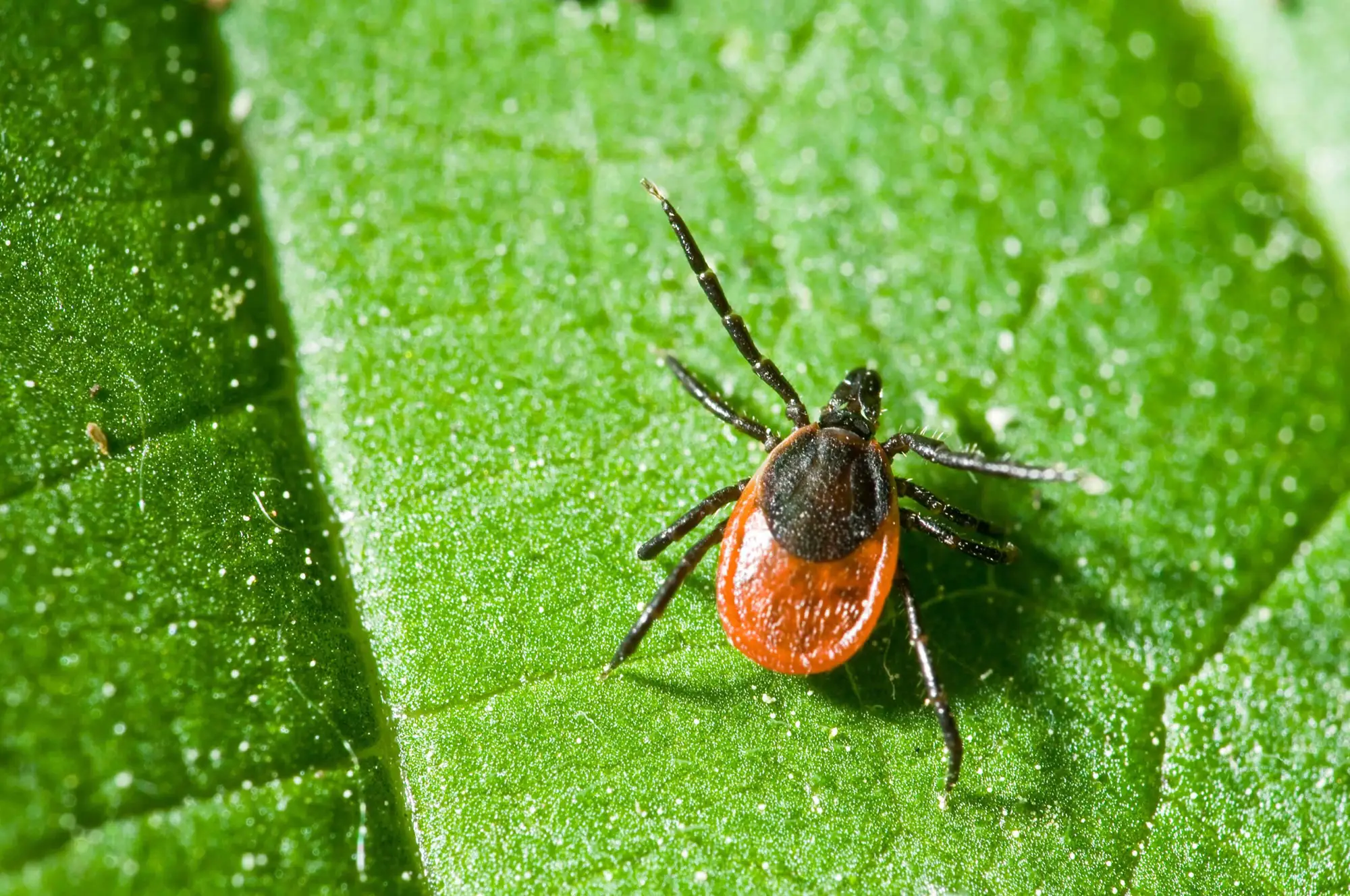
How Much Should I Worry About Ticks?
If you spent a lot of time playing in the grass as a kid, there’s a good chance your parents told you to check yourself for ticks. The minute arachnids are always common, but in many places, this year is predicted to be a particularly bad one for them.* Across the United States, the tiny pests could turn up in record numbers, experts predict, burrowing into the skin around ankles and hitching rides on pets. But how worried should you be about these blood-sucking parasites? We asked experts to tell us everything you need to know about this year’s tick season.
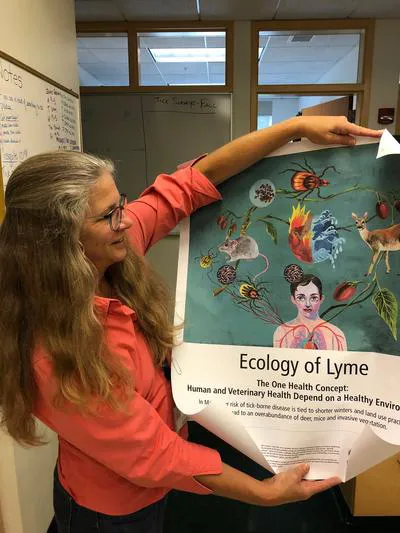
CDC Podcast: Anaplasmosis in Maine
Dr. Susan Elias, a scientist in the Lyme and Vector-borne Disease Laboratory at the Maine Medical Center Research Institute, and Sarah Gregory discuss an increase in cases of the tickborne disease anaplasmosis in Maine.

May is Lyme disease awareness month
NBC NewsCenter Maine: Chuck Lubelczyk leads a team of researchers in every county in Maine dragging all types of terrain for ticks. How active ticks will be this summer depends on Mother Nature. A vector ecologist for the Maine Health Institute for Research, Lubelczyk, and his team are on the lookout for new ticks emerging in Maine. The Lone Star tick is on their radar. A bite could cause a lifetime allergic reaction to red meat. It’s called Alpha-gal syndrome and which causes food allergies to red meat such as beef, pork, and other mammal products. Researchers are also looking for the Asian long-horned tick, an invasive tick that can impact the health of livestock. “We haven’t found any evidence of those ticks arriving yet, but you never say never. But I think it’s inevitable at some point,” Lubelcyzk said.
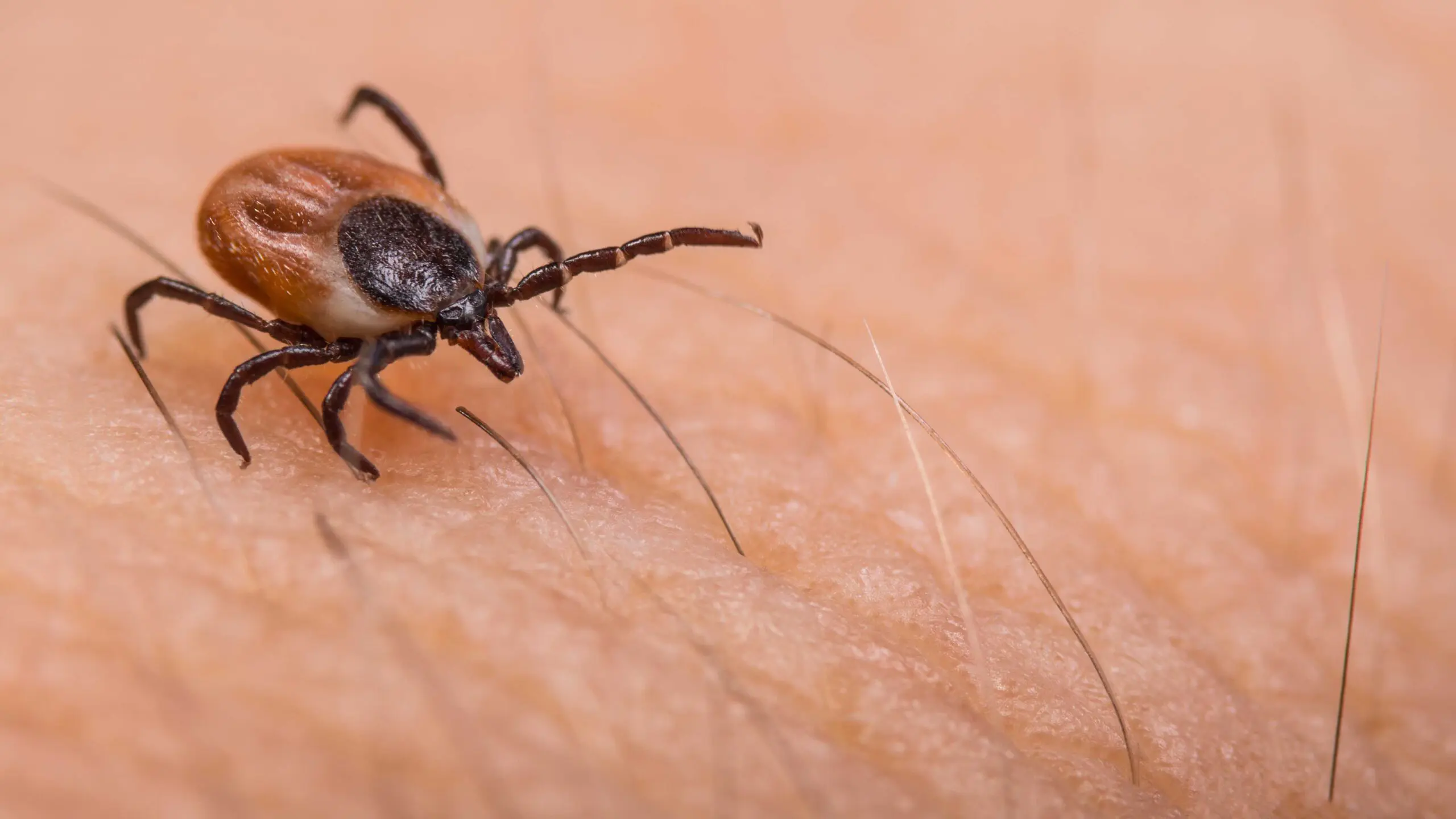
What you need to know to stay safe from Lyme disease this summer
PBS Newshour: According to the Centers for Disease Control, as many as 476,000 people in the U.S. contract Lyme disease every year. Climate change and human encroachment into wilderness areas means ticks and the disease-causing bacteria they carry are becoming more common. Dr. Linden Hu, an immunology professor and co-director of the Lyme Disease Initiative at Tufts University, joins John Yang to discuss.